
Safety Beds
- toddlerswithtism
- Mar 7, 2024
- 3 min read
Safety Beds
Getting quality sleep every night is vital. It’s important for all of us, and especially crucial for children. If your child is prone to wandering at night or has a hard time settling down to sleep, you may want to consider a safety bed.
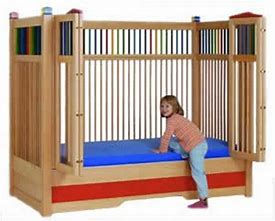
Safety beds are especially designed to prevent children from leaving their bed at night without supervision, a safety bed helps to prevent injuries, falls, and wandering. Safety beds are sometimes also referred to as institutional beds, adaptive beds, enclosed canopy beds, special needs beds, and child-safe beds. They’re frequently used by youngsters living with special needs, such as cerebral palsy, Down syndrome, developmental disabilities, Angelman syndrome, and autism spectrum disorder.
An enclosed safety bed is usually the best bed for children on the autism spectrum. This format reduces the distractions that can greatly irritate kids living with ASD, creating a calming, chill-out space they can use for relaxing and sleeping. Enclosed safety beds are available in different designs to accommodate a wide range of autistic behaviors.
Prices can vary greatly depending on where you live, where you order from, insurance coverage and the quality of the bed itself.
It is important that if you decide to use any type of safety bed you never LOCK a child into the bed. Everyone needs to be able to remove the child quickly and preferably with one hand.
Also never use a safety bed for extended periods of awake time. It is not a "babysitter".
SLEEP ISSUES FACED BY INDIVIDUALS WITH AUTISM
Sleep problems are prevalent among individuals with autism spectrum disorder (ASD). These sleep challenges can manifest in various ways, including:
Difficulty Falling Asleep: Many individuals with autism struggle to fall asleep at night, experiencing prolonged periods of restlessness or insomnia.
Frequent Night Wakings: Individuals with autism may have frequent awakenings throughout the night, leading to disrupted and fragmented sleep.
Irregular Sleep-Wake Patterns: Some individuals with autism may have irregular sleep-wake patterns, with inconsistent sleep schedules and difficulties maintaining a consistent sleep routine.
Early Morning Awakenings: Waking up very early in the morning and being unable to return to sleep is another common sleep issue faced by individuals with autism.
Sleep-Related Anxiety: Anxiety and sensory sensitivities often coexist with autism, contributing to sleep-related anxiety and difficulties in achieving a relaxed state for sleep.
The presence of these sleep challenges can have significant consequences, impacting the overall quality of life and functioning of individuals with autism.
IMPORTANCE OF QUALITY SLEEP FOR INDIVIDUALS WITH AUTISM
Quality sleep plays a critical role in the overall well-being and development of individuals with autism. Adequate and restful sleep has several important benefits, including:
Physical Health: Quality sleep supports overall physical health, immune function, and growth in individuals with autism.
Cognitive Functioning: Sufficient sleep is essential for optimal cognitive functioning, attention, memory, and learning abilities.
Emotional Regulation: Sleep plays a vital role in emotional regulation and the ability to manage stress and anxiety effectively.
Behavioral Regulation: Improved sleep can lead to better behavioral regulation, reducing challenging behaviors often associated with autism.
Daily Functioning: Quality sleep enables individuals with autism to engage in their daily activities with increased energy, focus, and alertness.
When it comes to our children's safety, especially when we are unable to fully supervise can be extremely scary. You have to decide what is best and safest for your child.
There is always some type of danger in any given situation; using a normal bed opens up the risks of falls and elopement; mesh safety beds could be torn up and cause strangulation; wooden beds can not be as flame retardant. The list goes on. You have to make informed decisions for yourself and your child.
It is important to remember to not judge yourself or others for doing what is necessary to keep your child safe.
Information sourced from
Find more information at:



Comments